
Choosing the right brand name is one of the most exciting stages of starting or growing a business. Whether you’re launching a startup, introducing a new product, or expanding into a new market, your brand name will become the face of your business. But before you invest in branding, packaging, marketing, and domain names, there is one crucial question you should answer: Is your trademark actually available?
Many businesses skip this step and apply for trademark registration without conducting a proper search. Unfortunately, this often results in objections, oppositions, or even legal disputes with existing trademark owners. A simple trademark availability search at the beginning can save months of delays and significant legal costs later. This article explains how to check trademark availability in India, why it is important, and the best practices businesses should follow before filing a trademark application.
What Is Trademark Availability?
Trademark availability refers to whether a proposed trademark is free for registration and use without conflicting with an existing trademark. A trademark may appear unique, but if another business has already registered or applied for a similar mark in the same or related class of goods or services, your application may face objections under the Trade Marks Act, 1999. Checking availability is therefore not just about finding an identical trademark. It also involves identifying similar names, logos, spellings, pronunciations, or marks that could create confusion among consumers.
Why Is It Important to Check Trademark Availability?
Imagine spending months building your brand, designing a logo, launching a website, and promoting your products, only to receive a legal notice stating that your trademark infringes someone else’s rights. Unfortunately, this happens more often than many businesses realize. Conducting a trademark search before filing helps you identify potential conflicts early. It reduces the chances of receiving examination objections, facing trademark opposition proceedings, or being forced to rebrand after your business has gained market recognition. For startups and growing businesses, an early trademark search is a relatively small investment that can prevent significant financial and reputational losses.
How to Check Trademark Availability in India
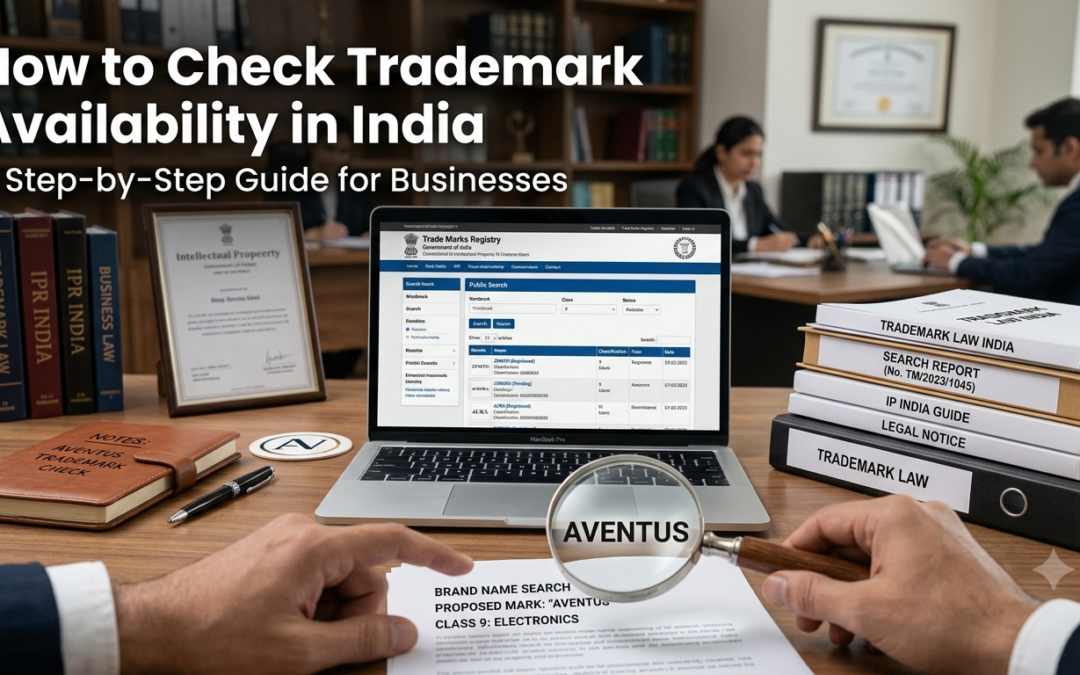
The Indian Trademark Registry provides an online public search facility that allows users to search existing trademarks. You can search by entering the proposed trademark, selecting the relevant trademark class, and reviewing the results displayed in the database. However, conducting an effective search involves much more than entering a brand name into the search box. Businesses should also look for similar spellings, phonetic variations, abbreviations, plural forms, translations, and visually similar marks. Examiners often compare trademarks based on overall consumer perception rather than exact spelling alone. For example, a search for “QuickKart” should also include variations such as “KwikKart,” “Quick Cart,” “QwikKart,” and similar sounding marks.
Understanding Trademark Classes
One of the most common mistakes businesses make is searching only within one trademark class without understanding how classification works. India follows the Nice Classification system, which divides goods and services into 45 different classes. Products fall under Classes 1–34, while services are covered under Classes 35–45. Selecting the wrong class can create unnecessary complications during registration or leave parts of your business unprotected. Some businesses may also need protection across multiple classes depending on the nature of their products and services.
What Should You Look for During a Trademark Search?
A trademark search is not simply about identifying identical names. The Trademark Registry may object to a mark if it is visually similar, phonetically similar, conceptually similar, or likely to confuse consumers. For example, two trademarks may be spelled differently but sound almost identical when spoken aloud. Similarly, logos with similar visual impressions may create conflicts even if the words differ. Businesses should therefore assess the overall similarity between marks rather than focusing only on exact matches.
Can You Search Logos as Well?
Yes. Logo searches are possible using the Vienna Classification system, which categorizes figurative elements such as animals, geometric shapes, symbols, and other visual features. If your branding includes a distinctive logo, conducting a logo search can help identify existing trademarks containing similar visual elements. This is particularly important for businesses that rely heavily on visual branding.
Common Mistakes Businesses Make
Many businesses conduct a quick online search and assume the trademark is available because they cannot find an identical name. Others rely only on internet searches or domain availability instead of checking the official Trademark Registry records. Some businesses also ignore phonetic similarities or file applications in incorrect trademark classes. Perhaps the biggest mistake is filing an application without understanding whether existing trademarks could create a likelihood of confusion. These oversights often lead to objections, opposition proceedings, or expensive rebranding exercises later.
Should You Conduct the Search Yourself or Seek Professional Help?
The online trademark database is publicly accessible and useful for preliminary searches. However, interpreting search results requires legal understanding and practical experience. Professional trademark searches typically go beyond identical matches. They evaluate phonetic similarities, legal risks, related classes, prior rights, and the likelihood of objections during examination. For businesses investing heavily in branding, obtaining professional advice before filing can significantly improve the chances of successful registration.
What Happens After the Trademark Search?
If the proposed trademark appears available, the next step is preparing and filing the trademark application with the appropriate class and supporting information. Even after filing, the Trademark Registry examines the application to determine whether it complies with legal requirements. If no significant issues arise, the trademark proceeds to publication in the Trademark Journal before registration. Conducting a thorough availability search does not guarantee registration, but it substantially reduces the likelihood of avoidable objections and delays.
Planning to Register Your Trademark? Start with a Comprehensive Search
A trademark search is more than a procedural step, it is the foundation of a strong brand protection strategy. Identifying potential conflicts early can save valuable time, reduce legal risks, and improve your chances of successful registration. Whether you are launching a new business, introducing a product, or expanding into new markets, ORIGIIN can help you conduct a comprehensive trademark search and guide you through every stage of the registration process.
👉 Explore ORIGIIN’s Trademark Registration Services in India:
https://origiin.com/trademark-registration-india/
Why Trademark Availability Is a Business Decision
Many entrepreneurs view trademark searches as a legal formality. In reality, they are an important business decision. A registered trademark becomes one of a company’s most valuable assets. It strengthens brand recognition, builds customer trust, supports expansion, and enhances business value. Investing a little time in checking trademark availability before filing can prevent costly disputes and help establish a stronger foundation for long-term growth.
Conclusion
Your brand deserves legal protection from the very beginning. Conducting a trademark availability search before filing is one of the simplest yet most effective ways to avoid future conflicts and improve the likelihood of successful registration. Rather than relying on assumptions or internet searches alone, businesses should evaluate existing trademarks carefully and consider professional guidance before making important branding decisions. Whether you are a startup choosing your first brand name or an established company launching a new product, a well-executed trademark search is the first step toward building a secure and valuable brand.
Protect Your Brand Before Someone Else Does
A unique brand name is a valuable business asset, but securing it requires more than creativity. Conducting a thorough trademark availability search before filing can help you avoid objections, oppositions, and costly rebranding. ORIGIIN assists businesses with comprehensive trademark searches, registration, prosecution, and brand protection strategies to ensure a smoother registration process.
👉 Ready to secure your brand? Get expert assistance with Trademark Registration in India:
https://origiin.com/trademark-registration-india/
Frequently Asked Questions
1. How can I check if a trademark is available in India?
You can conduct a search through the Indian Trademark Registry’s online database or seek professional assistance for a more comprehensive trademark availability assessment.
2. Does finding no identical trademark mean my application will be approved?
No. The Trademark Registry also considers similar names, logos, pronunciations, and overall likelihood of consumer confusion.
3. What are trademark classes?
Trademark classes categorize goods and services under the Nice Classification system. Choosing the correct class is essential for effective protection.
4. Can I search for logo trademarks?
Yes. Logo searches can be conducted using the Vienna Classification system for figurative elements.
5. Is professional trademark searching necessary?
While preliminary searches can be conducted online, professional searches provide a deeper analysis of legal risks, similar marks, and potential objections.